
Eskies

Wholesale Styrofoam Boxes & Foam Eskies
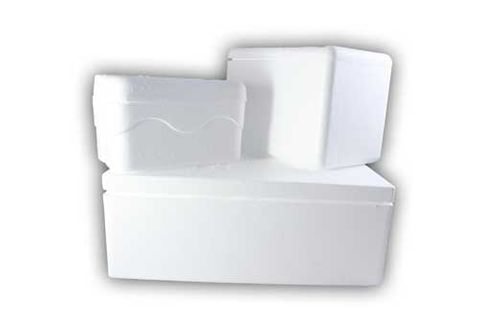
Keep your seafood, produce, or medical supplies cold during transit with our reliable range of insulated foam boxes. They are straightforward, lightweight, thick-walled polystyrene containers designed to hold ice and keep ambient heat out. Stocked locally in our Villawood warehouse in all standard sizes from compact 5-litre lunch boxes up to massive 50-litre freight cubes, they are ready for immediate same-day Sydney dispatch.
 Thick High-Insulation Foam
 100% Waterproof & Tough
 Sydney Stock & Fast Despatch
Short on Warehouse Storage Space?
Rigid foam boxes do a fantastic job of blocking heat, but stacking empty ones can eat up your floor space. If you're tight on room, take a look at our Thermal Foil Liners. They arrive completely flat and slip right inside standard Freezer Grade Boxes, saving you up to 80% in storage space while keeping your deliveries cold.
Browse Space-Saving Foil Liners →Styrofoam Boxes vs. Insulated Foil Liners
| Packing Comparison | Rigid EPS Foam Box (Esky) | Foil Thermal Bag Liner + Outer Carton |
|---|---|---|
| Chilling Performance | Excellent. Thick walls keep heat out for longer regional journeys. | Excellent. Perfect for quick next-day local courier runs. |
| Warehouse Storage | Bulky. Needs to be stacked high as rigid, pre-made boxes. | Saves Space. Ships flat in tight bundles until you need them. |
| Box Strength | Self-supporting and light. No extra cardboard required. | Requires an outer cardboard box to prevent punctures. |
Styrofoam vs. Polystyrene: What's the Difference?
In the Australian packaging trade, people use terms like styrofoam boxes, styro boxes, polystyrene eskies, or even "broccoli boxes" interchangeably. They are all talking about the exact same compressed white bead foam (Expanded Polystyrene, or EPS). They all do an excellent job keeping cargo safe. If you are shipping wet goods, seafood, or ice packs that might sweat, we recommend dropping one of our Industrial Poly Bags inside as a leak-proof liner to guarantee a clean, mess-free delivery.
Foam Box Frequently Asked Questions
Are styro boxes and white polystyrene eskies the exact same thing?
Yes, they are identical. Both terms describe insulated containers molded from Expanded Polystyrene (EPS). This material is the commercial logistics standard for shipping temperature-sensitive food orders, cold seafood, and pharmaceutical supplies across Australia.
How do I pick the right size foam box for my deliveries?
Choose a size that leaves just enough room for your stock plus your frozen Industrial Gel Packs. For the best cooling performance, you want to fill as much empty space inside the box as possible to stop warm air pockets from forming.
Do you have these foam boxes in stock for fast delivery around Sydney?
Yes, absolutely. We keep a large inventory of sizes ready to go on the floor at our Villawood warehouse. Orders placed before our daily cutoff dispatch immediately to ensure your cold chain lines keep running smoothly.
Enquire About Wholesale Foam Boxes
Looking to buy by the pallet, set up an ongoing wholesale trade account, or work out your ice gel pack requirements?