
Pallet Wrap Guide
If you are choosing between cast, blown, or fusion stretch film, this guide will help you match the right wrap to your load type, warehouse conditions, and wrapping volume. You will also find quick links to hand wrap, machine wrap, and pallet wrappers.
The 3 main types of pallet wrap
Most operations choose between cast, blown, and fusion style films. The best choice depends on load shape, pallet weight, edge sharpness, storage temperature, and required stability.
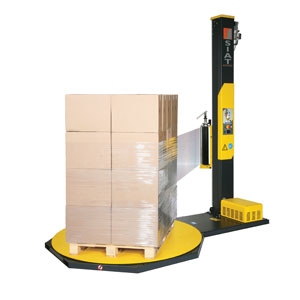
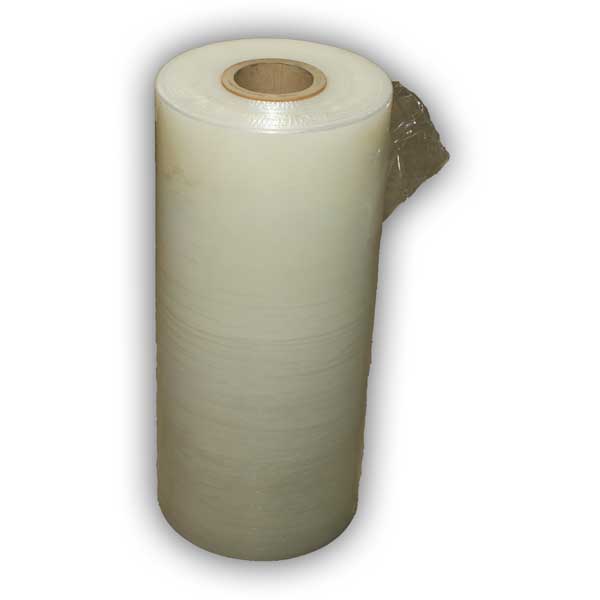
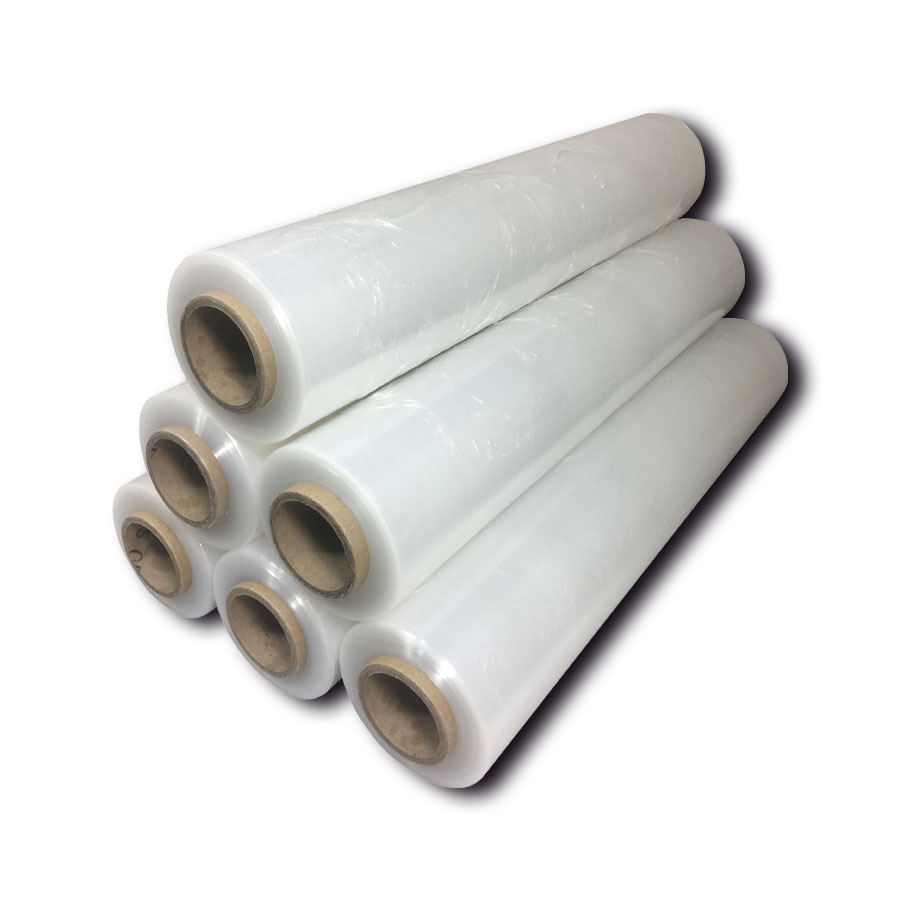
Quick comparison
| Film type | Best for | Key strength | Trade-off |
|---|---|---|---|
| Cast | General loads and everyday wrapping | Clarity and easy unwind | Less resistant to sharp corners than blown |
| Blown | Heavy, awkward, sharp-edged loads | Puncture resistance and cling | Lower clarity and typically higher cost |
| Fusion | Sites aiming to reduce film usage | High stretch and efficiency | Needs the right application and load match |
How to choose the right pallet wrap
- Light to medium cartons: cast is often the first pick
- Sharp edges or heavy loads: consider blown, or heavier gauge cast
- Cold storage: blown is commonly used, but the right cast can also work depending on the load
- High volume sites: machine wrap and pallet wrappers reduce labour and increase consistency
- Trying to reduce film usage: ask us about fusion options and settings
What is pallet wrap made of?
Pallet wrap is usually made from polyethylene, chosen for its stretch, cling, and durability. It helps protect loads from dust and moisture while keeping product stable in transit. Some films include additives for specific performance needs.
Can stretch wrap be recycled?
Stretch wrap can often be recycled, but it usually needs to be collected clean and kept free from labels, tape, and contaminants. Because it is thin and flexible, not every recycling stream accepts it. If you tell us how you dispose of film today, we can suggest practical options.