Which Protection Film is Right for You?
A technical guide to surface preservation: Analyzing thickness metrics, adhesive properties, and UV performance parameters across industrial coatings.
Industrial Surface Protection Film Matrix
Cross-reference structural material profiles against substrate requirements to select the exact tack level and tear resistance for your workflow:
| Product Code | Thickness (Microns / um) | Adhesive Level | UV Resistance | Application Profile | Dimensions | Adhesive Type | Custom Print | Ideally Suited For |
|---|---|---|---|---|---|---|---|---|
| B58050 | 50 um | Medium Tack | 6 Months Outdoors | Easy Unwind / Leave-Free | 1200mm x 200m | Stabilized Acrylic | Available | Glass Panels |
| B90450 | 50 um | Medium Tack | 6 Months Outdoors | Easy Unwind / Leave-Free | 1200mm x 360m | Stabilized Acrylic | Available | Glass Panels |
| 7261 (Green) | 70 um | Medium Tack | 6 Months Outdoors | High-Tear Resistance | 1200mm x 100m | Stabilized Acrylic | Available | Glass & Aluminium |
| 7260 (Orange) | 70 um | High Tack | None (Indoor Use) | Aggressive Grab | 1200mm x 200m | Solvent-Free Adhesive | Available | 2-Pack Paint Coatings |
| B58100 | 100 um | Medium Tack | 6 Months Outdoors | Impact Cushioned / Heavy Duty | 1200mm x 100m | Stabilized Acrylic | Not Available | Metal Sheets & Benchtops |
 B58050 & B58100 Blue Spec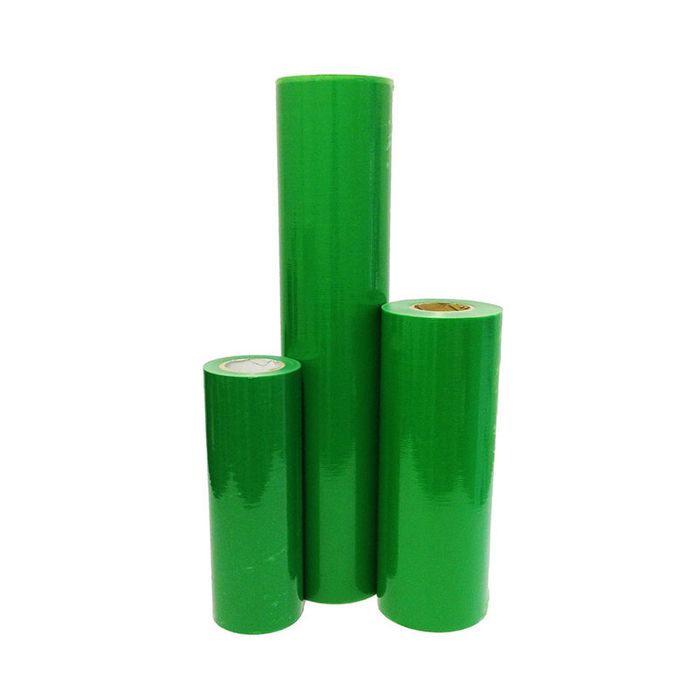
 B90450 Clear Glass Spec
B58050 & B58100: Multi-Substrate Polyethylene Systems
Manufactured from premium co-extruded low-density polyethylene (LDPE), these films utilize an advanced UV-stabilized acrylic adhesive matrix. Engineered for versatile deployment across intermediate fabricating environments, they provide high-tensile elongation boundaries that flex with physical manipulation without tearing.
- Aesthetic Variations: Supplied in high-visibility translucent blue (50 micron thickness profile) and optically clear (100 micron heavy-duty impact profile).
- Substrate Versatility: Ensures consistent surface tracking across residential architectural glass, polished acrylic sheets, laminates, high-pressure finishes, and steel counters.
- Environmental Limits: Delivers high weatherability indices with stable UV performance for up to 6 months of continuous outdoor solar exposure.
- Custom Branding: Surface modification is fully compatible with custom-printed text parameters on the 50 micron B58050 line to support corporate branding.
7261 (Green Range): Fenestration & Extrusion Guards
These architectural-grade masking configurations feature a calibrated 70 micron thickness explicitly weighted to withstand the severe frictional contact and structural strain typical of fenestration framing, extrusion lines, and heavy glass logistics handling runs.
- Visual Profile: Tinted in translucent green to facilitate rapid, accurate boundary checking during precision installation routines.
- Target Metallurgy: Formulated explicitly to prevent chemical cross-linking on clear window panels and anodized, mill-finish, or powder-coated aluminium framing rails.
- Solar Shielding: Features heavy UV blockers that isolate the adhesive molecules from UV-driven vulcanization for up to 6 full months of outdoor exposure.
7260 (Orange Range): High-Grab Solvent-Free Specialist Masking
The 7260 is a specialized 70 micron, high-grab film engineered to bond securely to complex, smooth finishes that reject standard medium-tack adhesive arrays. It features an innovative solvent-free, clean-peeling pressure-sensitive compound.
- Visual Identifier: Vibrant orange face prevents accidental omission and alerts handlers that protective masks remain active.
- Chemical Safety: Formulated without aggressive chemical solvents to eliminate curing interactions on sensitive two-pack paint coatings and cross-linked varnishes.
- Operational Context: Designed exclusively for interior fabrication environments, commercial vehicular masking, and indoor assembly routing where high tack is required.
Industrial Application & Residue Prevention Guidelines
To achieve zero-defect surface preservation and ensure clean removal without ghosting or adhesive transfer, facility managers should institute these core operational protocols:
Technical Protection Film FAQ
What causes adhesive transfer or ghosting, and how do we prevent it? +
Adhesive transfer typically occurs due to three factors: exceeding specified outdoor UV exposure timelines, applying film to chemically un-cured painted substrates that are still actively outgassing, or exposing acrylic compounds to temperatures far outside normal thresholds. Selecting the proper tack level and removing the film within its documented 6-month outdoor window completely prevents matrix delamination.
Can the green 7261 protection film be safely deployed on structural glass? +
Yes, absolutely. The green 7261 configurations are dual-action systems engineered with an acrylic formulation that bonds cleanly to both smooth architectural window panels and adjacent powder-coated or mill-finish aluminium building profiles without leaving residue or ghosting marks upon removal.
Why is the orange 7260 protection tape restricted to interior application workflows? +
The orange 7260 line features a highly specialized solvent-free adhesive designed to eliminate chemical etching risks on premium two-pack commercial paints. Because it lacks added chemical UV blocking agents, direct outdoor sunlight exposure will break down the polymer chains, making it strictly suitable for indoor fabrication, storage, assembly, and transport transit containment.
What is the difference between the 50 micron and 100 micron blue films? +
While both products use identical low-residue acrylic adhesives, the 50 micron B58050 is designed for lightweight dust, scratch, and handling isolation. The 100 micron B58100 doubles the low-density polyethylene mass, providing an enhanced impact-absorption barrier that safeguards high-value stone benches and stainless finishes from dropped tools or construction debris scratch forces.
Request a Technical Protection Film Quote
Sourcing custom dimensions, custom text printing runs, or high-volume pallet supplies? Contact our Villawood depot office.