Cold Chain Packing Guide: Eskies vs Thermal Liners
Keeping chilled or frozen goods in range from your packing bench to your customer's door comes down to three things: the insulation you pack into, how much stored cold you put in with it, and how well you pack the box. This guide covers how to pack a chilled delivery, how a rigid foam esky compares with a flat-packed foil thermal liner, and how long you can expect each to hold temperature, so you can match the setup to your route.
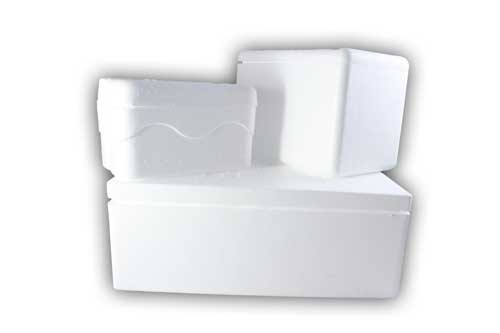
 A rigid foam esky ready for a chilled delivery run

The golden rule: whichever option you choose, pair it with frozen gel packs. Insulation only slows heat getting in. The gel packs are what actually keep your goods cold, so the two work as a team.
How to Pack a Chilled or Frozen Delivery
To get the longest cold run time out of an esky or a thermal liner, a few quick habits on the packing bench make a big difference. Get these right and your gel packs work harder, your goods arrive colder and you avoid the cost of a spoiled delivery.
Esky or Thermal Liner: Which Should You Use?
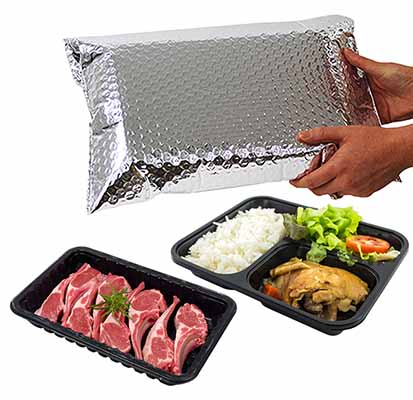
Our thermal liners are made from Silver Sheen, a reflective, multi-layer material that comes in two builds:
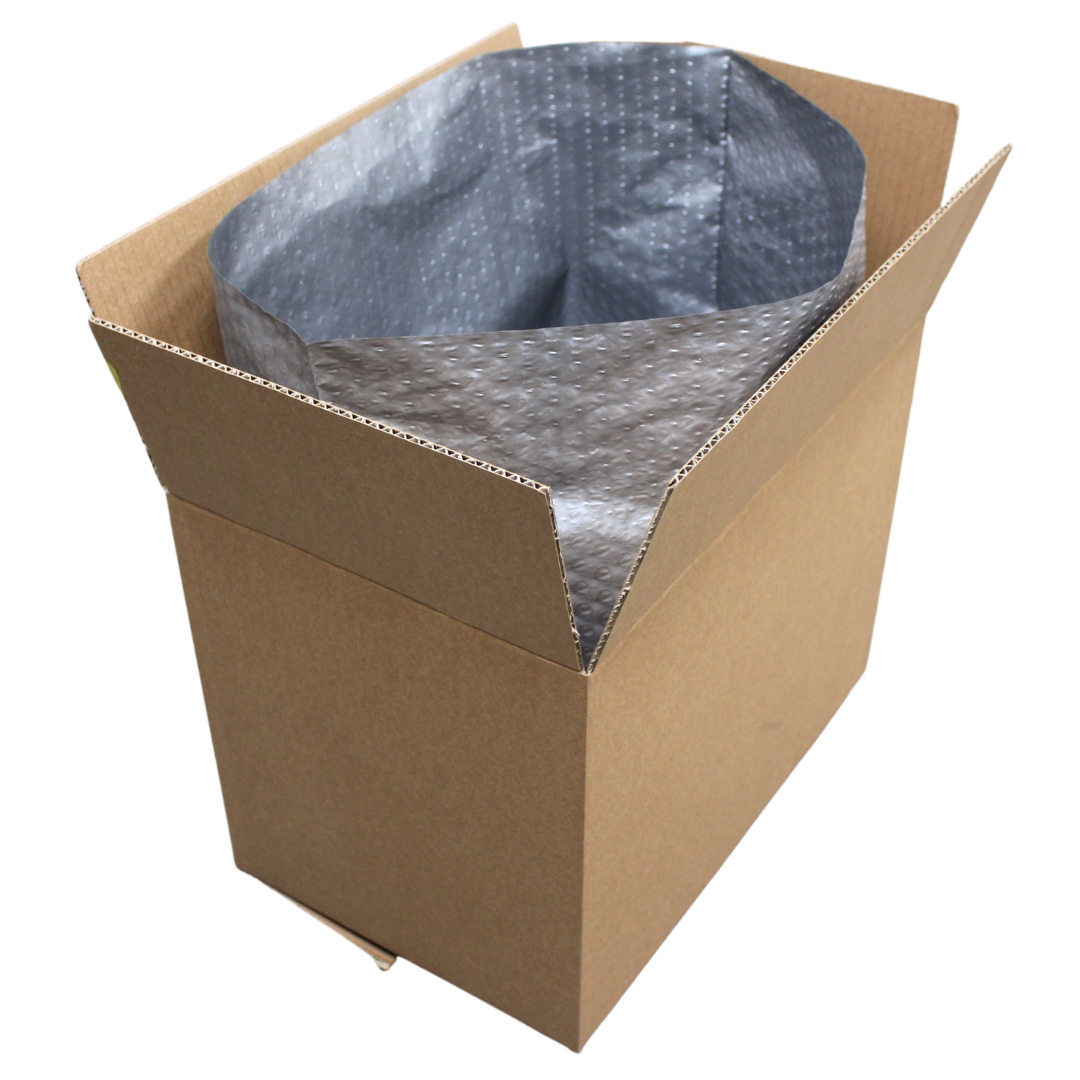
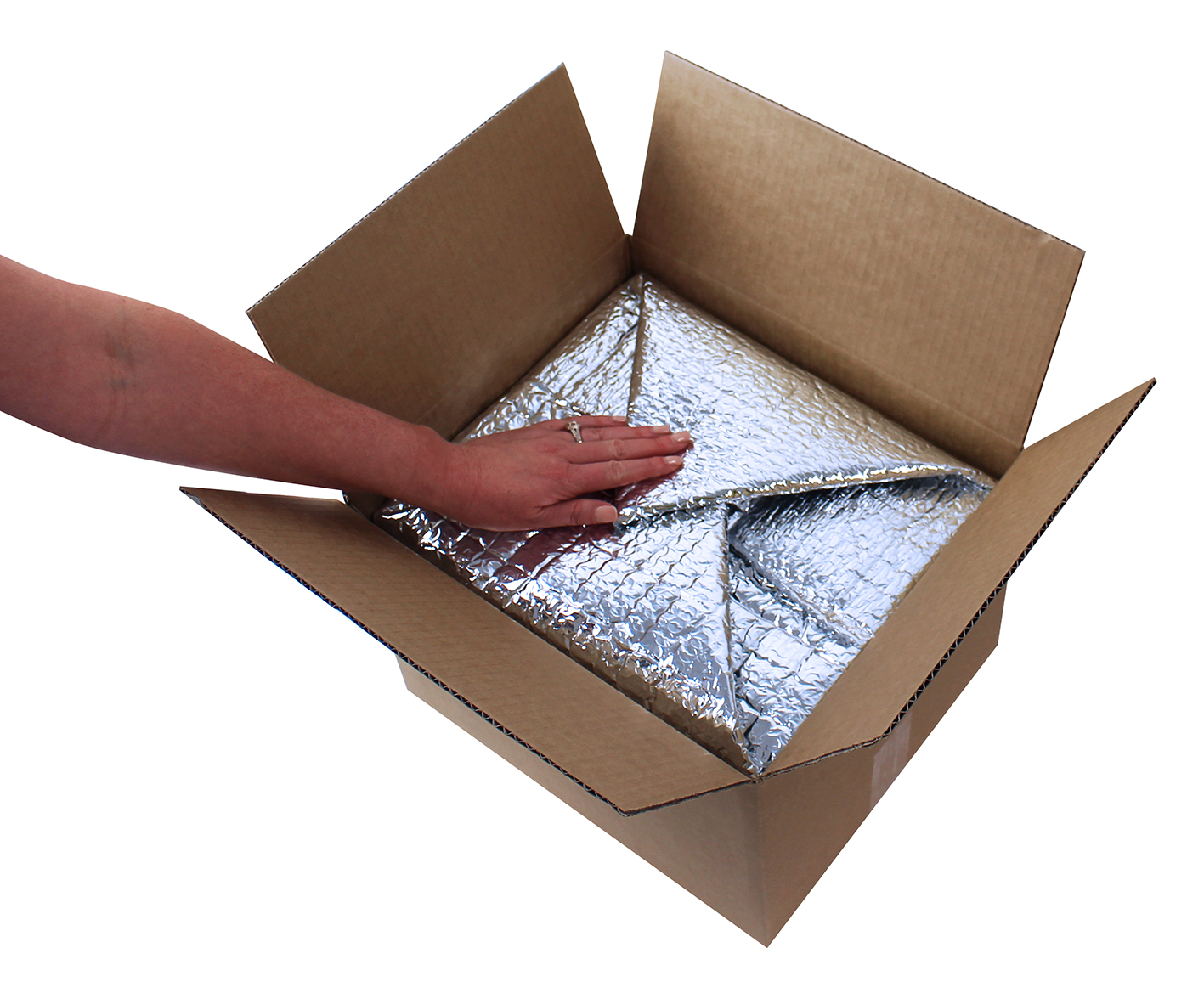
Here's how a rigid esky and a thermal liner compare on a typical Sydney metro-to-regional run:
| What Matters | Rigid Foam Esky | Silver Sheen Thermal Liner |
|---|---|---|
| Insulation | Excellent. Thick rigid walls hold cold over long regional courier routes. | Very good. Paired with gel packs, independent testing kept product under 5°C for over 33 hours. |
| Warehouse Space | Bulky. Arrives pre-made and needs to be stacked on your floor. | Saves space. Arrives flat until you need it. |
| Outer Packaging | Standalone. Ready to label and ship as is. | Fits inside your existing cartons, so you still need a carton to send it in. |
| Weight & Freight Cost | Heavier. Thick foam walls add bulk to your parcel. | Lighter. Thin reflective layers add little weight, which can lower freight charges. |
| Cushioning | Good. Rigid walls protect contents from knocks. | Good with Silver Sheen Air's 10mm bubble layer. Silver Sheen Eco is lower profile with less cushioning. |
| Recycling | Clean, dry EPS is accepted at select drop-off points, but not in kerbside collection. | 100% recyclable LDPE4, accepted through RedCycle at supermarket drop points across Australia. |
| Best Suited For | Long regional routes, wet or messy loads (seafood, ice slurry), or where you need a rigid standalone shipper. | Metro and next-day deliveries, businesses short on floor space, or lighter parcels where freight cost matters. |

Shipping pallets rather than individual cartons? Our ThermaWeave Pallet Covers use the same reflective foil approach at pallet scale. They fold down to as little as 0.01m³ for storage and can reduce the need for refrigerated transport.
How Long Will a Thermal Liner Keep Goods Cold?
Independent testing paired frozen gel packs with a Silver Sheen thermal liner inside a standard shipping carton, held at a constant 30°C ambient temperature. These are the times the inside stayed under 5°C:
Test parameters: ambient temperature 30°C (±2°C), starting temperature -21°C to -23°C, finish temperature 5°C. As a rule of thumb, the heavier your gel pack load, the longer the protected window, so match your pack weight to your route length.
Already Know What You Need?
See sizes, dimensions, carton quantities and pickup details on our product pages.
Cold Chain Packing FAQs
Should I use an esky or a thermal liner for my shipments?
Use an esky for wet loads, long regional routes and when you need a rigid standalone shipper. Use a thermal liner when floor space is limited, when parcel weight and freight cost matter, or when you want to keep using your existing cartons.
How many gel packs should I use?
It depends on how much product you're sending, its starting temperature, the route length and the weather. As a guide, spread several gel packs above and beside the product, keep headspace to a minimum and pre-chill where you can. Send us your details below and we'll recommend a setup.
How long will a thermal liner keep goods cold?
In independent testing at a constant 30°C, a Silver Sheen liner kept goods under 5°C for 16 hours 53 minutes with two 500g gel packs, 25 hours 32 minutes with two 750g packs, and 33 hours 25 minutes with two 1kg packs.
What's the difference between Silver Sheen Eco and Silver Sheen Air?
Silver Sheen Eco is a low-profile liner that takes up 75% less storage space, suited to businesses wanting the most out of their warehouse. Silver Sheen Air adds a 10mm bubble layer for extra cushioning where products need more protection from knocks in transit.
Can foam eskies and thermal liners be recycled in Australia?
Clean, dry EPS eskies are accepted at select drop-off sites, though kerbside collection is uncommon. Silver Sheen liners are 100% recyclable LDPE4 and can go to RedCycle collection points at supermarkets across Australia.
Where can I see esky sizes and prices?
Our foam esky range lists every size with dimensions and carton quantities, from 5L up to 20kg. For the wider range, see our polystyrene boxes.
Not Sure Which Setup Suits Your Run?
Tell us what you're shipping and how long it needs to stay cold. We'll recommend the right esky size, liner or gel pack setup.