The Industrial Guide to
Eco-Friendly Paper Tape
A technical analysis of kraft paper tape, adhesive performance, and the ROI of switching from plastic to sustainable sealing.
1. The Adhesive Science: Choosing the Right Bond
Not all paper tapes are created equal. The mechanical performance of your box seal depends entirely on matching the correct adhesive chemistry to your specific warehouse environment, ambient moisture levels, and carton linerboards. Explore our complete paper tape category to view our full industrial inventory.
Natural Rubber (Solvent Based)
The premium choice for demanding Sydney logistics infrastructure. Natural rubber solvent adhesive offers an immediate, aggressive "quick-stick" that bites through heavy dust layers on 100% recycled structural testliners and remains perfectly stable in temperatures as low as -20°C.
Hot Melt (Synthetic Rubber)
A highly cost-effective, high-tack alternative profile. Hot melt synthetic rubber compounds offer an exceptionally high initial shear "grab" factor, making them highly optimized for fast-moving manual application benches and high-speed automated carton sealing machinery lines.
2. The ROI: Is Paper Tape More Expensive?
While the flat per-roll acquisition cost of premium brown kraft paper tape can sit higher than basic polypropylene plastic (BOPP) alternatives, auditing the Total Cost of Ownership (TCO) across an active packing deck reveals major net commercial savings:
- Reduced Material Consumption: Due to the advanced cross-directional tensile strength of paper webs, operators securely seal boxes with a single flat strip, completely eliminating wasteful plastic double-looping or H-taping metrics.
- Permanent Theft Prevention: Unlike smooth plastic films that can be peeled back and resealed undetected, paper tape forms a highly destructive, tamper-evident bond. Any interception forces full carton fiber delamination, leaving instant visual proof of theft.
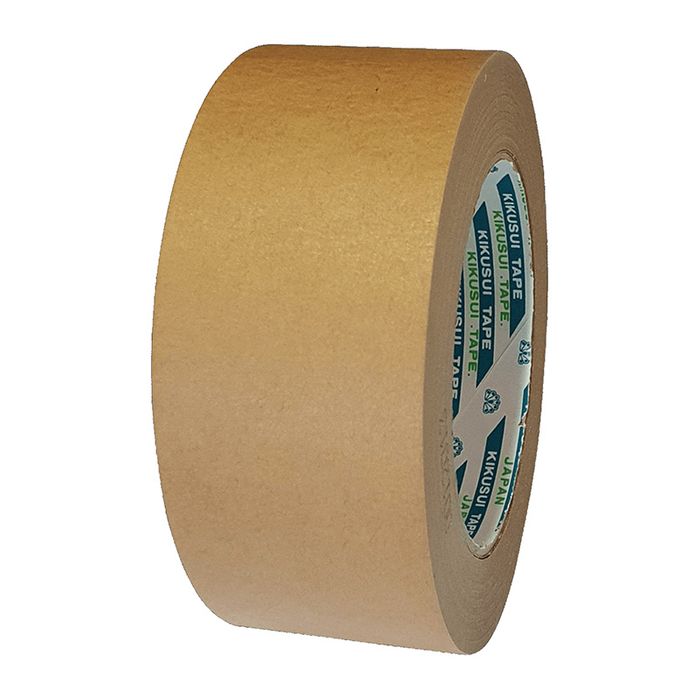
- Productivity Gains: The specialized Quiet Unwind profiles of our premium 109 and 108 Kikusui series substantially lower ambient acoustic decibels, mitigating occupational fatigue across dense Sydney metro dispatch hubs.

3. Myth-Buster: Poly-Lamination
A highly frequent, costly error in sustainable corporate procurement profiles is purchasing imitation paper tape products that hide an internal thin polyethylene plastic lamination layer. These hybrid lines are not fully recyclable and clog standard repulping vats.
At Power Packaging, our entire commercial self-adhesive paper tape range is guaranteed 100% laminate-free. The entire box can be dropped directly into common paper recycling arrays without separating the closure media, establishing a true, verifiable circular waste stream.
4. Application: Which System Fits Your Workflow?
The Self-Adhesive Method
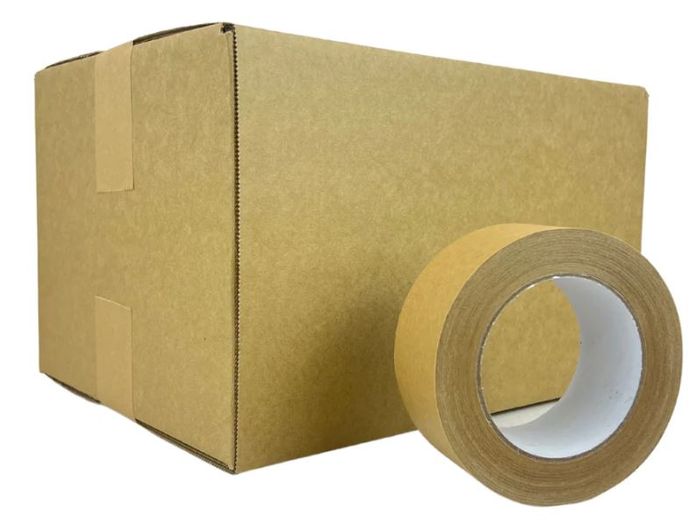
Operates seamlessly with standard 48mm Hand Dispensers and handheld pistol grips. This configuration represents the fastest, lowest-friction pathway for warehouses transitioning away from plastic films without ordering dedicated hardware assets.
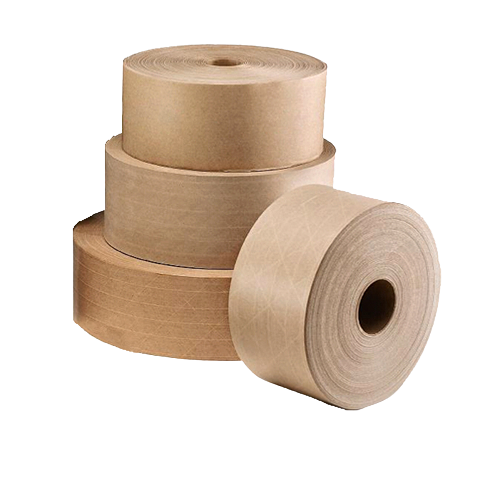
The Water-Activated Method
Utilizes a starch-based adhesive matrix requiring a capillary wetting dispenser to turn the adhesive fluid, cross-linking with container liners to produce an un-peelable, absolute structural closure.
Paper Tape Technical FAQ
Does the tape need to be removed before recycling the box? +
No, it does not. One of the single greatest structural logistics benefits of certified brown kraft paper tape is its total compatibility with global repulping processing machinery. Unlike traditional plastic film tapes that require physical mechanical extraction to avoid batch contamination, our un-laminated paper tapes melt down cleanly alongside raw corrugated carton fibers inside localized Sydney recycling networks.
Will paper tape stick securely to high-recycled cardboard boxes? +
Yes, absolutely, but choosing the proper chemical adhesive compound is vital. Highly recycled cardboard formats inherently carry short, volatile fibers and micro-dust layers. For these specifications, we highly recommend deploying a specialized Natural Rubber adhesive base. This solvent compound drives a deep initial wet-out bond that cuts through top dust layers far more reliably than synthetic acrylic films.
What is the difference between Self-Adhesive and Water-Activated Tape? +
Self-Adhesive (Pressure Sensitive) options are manufactured with pre-cured tacky compounds that adhere immediately under simple hand friction, fitting straight onto common warehouse pistol dispensers. Conversely, Water-Activated Tape (WAT) utilizes a dry, starch-based gum layer that requires a capillary wetting dispenser to turn the adhesive fluid, cross-linking with container liners to produce an un-peelable, absolute structural closure.
Can paper tape be used safely inside coldrooms or refrigerated transit? +
Yes. Our premium 109 Kraft series, utilizing a heavy-coat Natural Rubber solvent adhesive matrix, is explicitly engineered to maintain its mechanical structural elasticity across low-temperature configurations down to -20°C. While water-based acrylic lines can experience glass-transition freezing and flake away in refrigerated freight lines, rubber-based closures stay embedded cleanly into the card fibers.
Technical Paper Tape Enquiry
Request a technical sample roll, bulk volume trade quotation, or custom branding integration analysis for your facility lines.